Dual Zone Contrast Therapy for Recovery Efficiency
Dual Zone Contrast Therapy for Recovery Efficiency Leave a Message We will call you back soon! Your message must be between 20-3,000 characters! Please check your E-mail! SUBMIT More information facilitates better commun
Contrast therapy, the practice of alternating cold and hot water immersion, is drawing renewed attention in sports science and rehabilitation for its effects on circulation and muscle recovery. For operators and athletes, however, the effectiveness of the method depends on two practical variables: how quickly temperatures can be changed and how much the system costs to run. Integrated dual-zone systems are being positioned as a way to address both.
Contrast therapy relies on alternating vasoconstriction and vasodilation to create a pump-like effect on the circulatory system. Cold immersion triggers blood vessel narrowing, which may help manage inflammation and reduce muscle fatigue. Hot immersion promotes vessel widening, supporting blood flow and the clearance of metabolic waste.
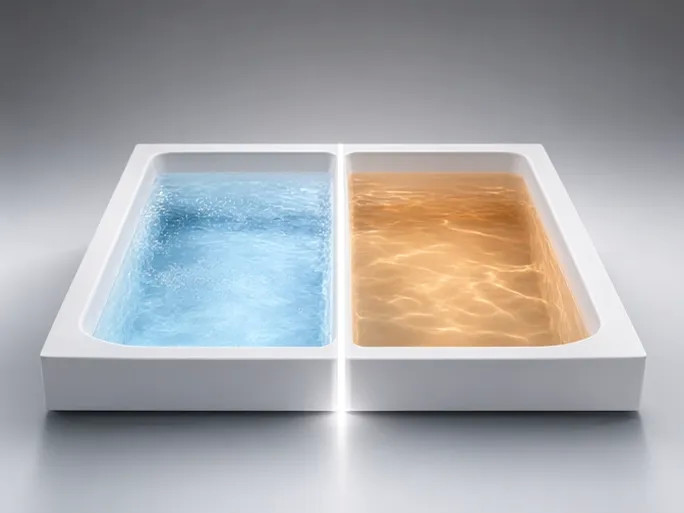
In practice, the therapeutic value depends on the speed and consistency of the transition between the two temperatures. A single body of water must be reheated or cooled between phases, creating a lag that can disrupt the intended physiological response. Dual-zone systems use separate chambers to complete the switch within seconds and to maintain each temperature independently.
Facility planners weighing contrast therapy equipment face a choice between integrated dual-zone systems and separate cold and hot units. The difference extends beyond hardware to space, electrical requirements, temperature control, and long-term workflow.